


Equal Footing
“Mankind can appropriately be divided into many classes in accordance with differing qualifications, as they may be viewed physically, mentally, socially, vocationally, or morally, but as these different classes of mortals appear before the judgment bar of God, they stand on an equal footing; God is truly no respecter of persons.”
The Urantia Book, (133:0.3)

Read more about God HERE


What Is The Urantia Book?
The Urantia Book includes the origin, history, and destiny of humanity. It answers questions about God, life in the inhabited universe, science, astronomy, the history and future of this world, Adam and Eve, and it includes an uplifting and greatly expanded narrative of the life and teachings of Jesus. This narrative of Jesus’ life is sourced from spiritual beings who were present during Jesus’ life and who have preserved these records for presentation in The Urantia Book and in our modern times.
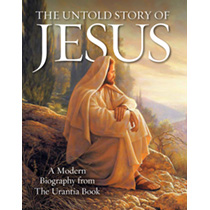
A sampling of reviews from THE UNTOLD STORY OF JESUS buyers:
‘If you love Jesus, you owe it to yourself to read this book. If you know nothing and want to learn about Jesus, you’ll want to read this book.’
“I am a Urantia Book fan but even if I were not, I think that any follower of Christ would want this book in their collection.”
“The chapter on the daily life of Jesus made the price worth it by itself. I literally had tears in my eyes on almost every page.”
CLICK TO READ MORE REVIEWS & BUY THE BOOK
Click to Watch: WHY DOES GOD ALLOW SUFFERING?
Jesus Counsels Jacob on God the Father
Said Jesus: “Our Father in Paradise is changeless. But the concept of his nature has enlarged and grown from the days of Moses … And now have I come in the flesh to reveal the Father in new glory and to show forth his love and mercy to all men on all worlds.”…
Read more HERE
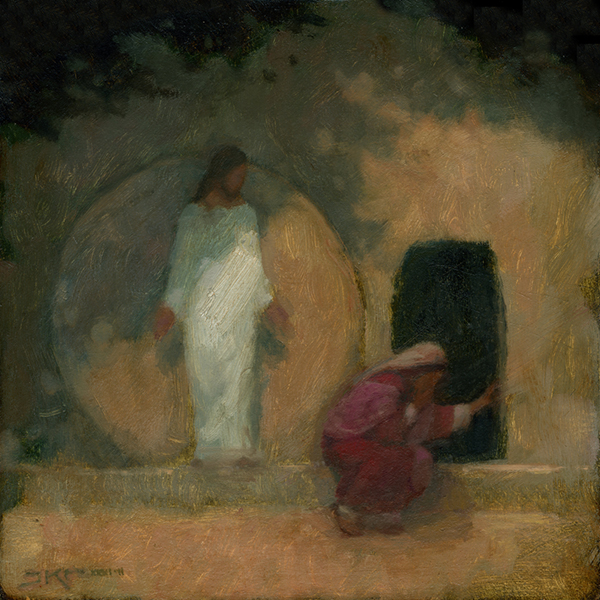
Jesus’ Promises and Prophecies
These teachings of Jesus contain promises; promises made to the apostles and others during these discourses. But these are not all the promises that Jesus made during his sojourn on earth.… Read more HERE
Jesus Teaches About Sharing Your Faith
“Jesus imparted some of his most practical, inspiring, and thoughtful advice in these passages. Those of us who wish to share their faith would do well to take heed…”Read More…
Effective Prayer (above)
5 Steps to World Peace (below)


Jesus Didn’t Die for Your Sins
/in Trending Now!This essay was posted to Street Prophets, a progressive religious community. Read More
Excerpt: “God is not bloodthirsty. Too many people have been alienated from Christ by Christian theology. One of the most alienating doctrines is penal substitutionary atonement theory, the belief that Jesus died as a propitiatory sacrifice for our sins, having taken our sinfulness onto himself to save us from eternal damnation. A close relative is satisfaction theory, Anselm’s belief that, since finite humankind has sinned against an infinite God and cannot repay its infinite debt, God sent Jesus as an infinite, divine-human substitute to satisfy the divine honor and expiate our guilt for us, thereby restoring right relationship.”
The concept of God as a vengeful autocrat who can be appeased only through death by torture does not cohere with Jesus’s revelation of Abba as a loving Parent. Loving parents are not inflexible disciplinarians, and skillful parents frequently forgo their wayward children’s punishment and offer mercy instead. Urantia Book readers are well-aware of the falacy of that doctrine. It has been such a stumbling block to the faith of countless souls.
Urantia Book teachings about the topic of atonement are Here: Read our topical study