



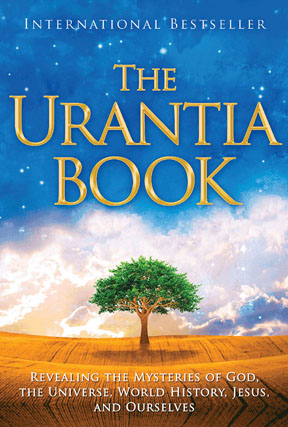

What Is The Urantia Book?
The Urantia Book includes the origin, history, and destiny of humanity. It answers questions about God, life in the inhabited universe, science, astronomy, the history and future of this world, Adam and Eve, and it includes an uplifting and greatly expanded narrative of the life and teachings of Jesus. This narrative of Jesus’ life is sourced from spiritual beings who were present during Jesus’ life and who have preserved these records for presentation in The Urantia Book and in our modern times.
A sampling of reviews from THE UNTOLD STORY OF JESUS buyers:
‘If you love Jesus, you owe it to yourself to read this book. If you know nothing and want to learn about Jesus, you’ll want to read this book.’
“I am a Urantia Book fan but even if I were not, I think that any follower of Christ would want this book in their collection.”
“The chapter on the daily life of Jesus made the price worth it by itself. I literally had tears in my eyes on almost every page.”
CLICK TO READ MORE REVIEWS & BUY THE BOOK
Click to Watch: WHY DOES GOD ALLOW SUFFERING?
Jesus Counsels Jacob on God the Father
Said Jesus: “Our Father in Paradise is changeless. But the concept of his nature has enlarged and grown from the days of Moses … And now have I come in the flesh to reveal the Father in new glory and to show forth his love and mercy to all men on all worlds.”…
Read more HERE
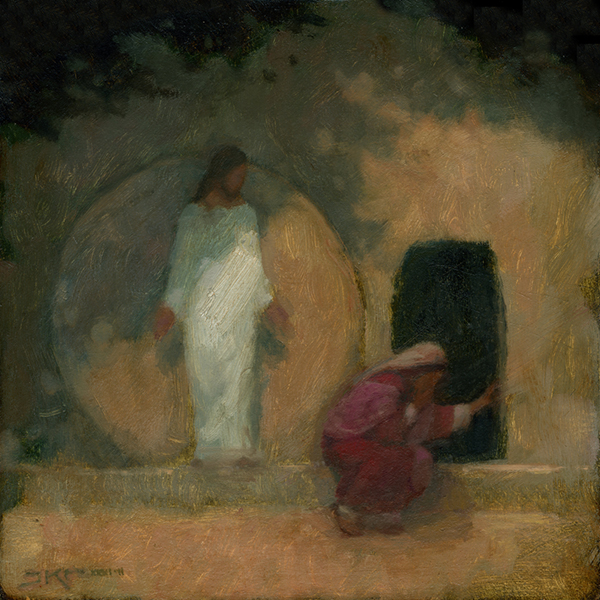
Jesus’ Promises and Prophecies
These teachings of Jesus contain promises; promises made to the apostles and others during these discourses. But these are not all the promises that Jesus made during his sojourn on earth.… Read more HERE
Jesus Teaches About Sharing Your Faith
“Jesus imparted some of his most practical, inspiring, and thoughtful advice in these passages. Those of us who wish to share their faith would do well to take heed…”Read More…
Effective Prayer (above)
5 Steps to World Peace (below)


Take Parenting Fears to Jesus
/in Trending Now!In a recent book review of the book “Fearless” by Max Lucado
“Wise are the parents who regularly give their children back to God. Parents, we can be loyal advocates, stubborn intercessors. And we can take our parenting fears to Christ.”
Read More
The Urantia Book give us many reasons to lean on Jesus when we worry about how best to parent our children. Jesus stood in the role of loving parent after the untimely death of his father, Joseph. For nearly twenty years, he raised his siblings as a wise and loving father.
Read about Jesus’ parenting style which can be a source of inspiration and advice for any parent. Truthbook also offers an in-depth study of Jesus and his brothers and sisters and the rich ife they shared in their Nazareth home.Read Here